

ØkonomiTips.no
Practical, honest tips for managing your money better.
Make Smart, Informed Choices
Before you dive into investing — whether it’s gold, silver, crypto, or anything else — keep a few simple principles in mind. Never invest more than you can afford to lose. Take time to understand what you’re buying, compare fees, and be wary of anyone promising guaranteed returns. A little research today can save you from costly mistakes tomorrow.
Our Top 10 Guides

Top 10 Bitcoin (2026)
Where to buy Bitcoin safely in Norway, the best wallets and how to avoid scams.

Top 10 AI Tools (2026)
The best AI tools and agents, and how AI can help with money, fitness and solar.
Practical, honest tips for managing your money better.
Live Gold & Silver Prices
Keep an eye on the market with live spot price charts for gold and silver, updated in real time.
Ready to add physical gold or silver to your holdings? Track the spot price above, then buy directly from a trusted bullion dealer.
Welcome to ØkonomiTips.no. This page brings together straightforward, general information on budgeting, paying down debt, building an emergency fund, and the basics of investing. Our goal is simple: help you make smarter, more confident decisions with your money — no hype, no guaranteed returns, no referral schemes.
Budgeting & Saving
A budget is simply a plan for your money. It doesn’t have to be complicated to work — the goal is to know where your money is going and make sure it’s going where you want it to.
- Track your spending for a month before you build a budget, so it’s based on how you actually live, not guesswork.
- Try the 50/30/20 rule as a starting point: roughly 50% of income to needs, 30% to wants, and 20% to savings and debt repayment — then adjust it to fit your situation.
- Automate transfers to a separate savings account on payday, so saving happens before you have a chance to spend it.
- Review recurring subscriptions every few months — small monthly charges add up faster than they seem to.
- Set specific savings goals with a target amount and date, such as “three months of expenses by December” — specific goals are easier to stick to than vague ones.
- Use cash or a debit card for categories where you tend to overspend; it’s psychologically harder to overspend money you can see leaving.
Debt Payoff Strategies
Not all debt is equal, and the right payoff strategy depends on your numbers and your motivation. Two well-known approaches can help you get started.
- List every debt with its balance, interest rate, and minimum payment — you can’t make a good plan until you can see the whole picture.
- Try the avalanche method: pay minimums on everything, then put any extra money toward the highest-interest debt first. This usually saves the most money over time.
- Try the snowball method instead if you need motivation: pay off the smallest balance first, then roll that payment into the next-smallest. It saves less in interest but builds momentum.
- Always pay at least the minimum on every debt, every month — missed payments trigger fees and can damage your credit score.
- Be cautious with debt consolidation or balance transfers — they can help, but read the fees and post-introductory interest rate carefully first.
- If you’re struggling to keep up with payments, contact your lender early or speak with a nonprofit credit counseling service — options usually shrink the longer you wait.
Emergency Fund Basics
An emergency fund is money set aside strictly for unexpected costs — a job loss, a medical bill, an urgent repair — so a surprise expense doesn’t turn into new debt.
- Start small: even a modest amount set aside can cover many everyday emergencies and takes the pressure off a credit card.
- Aim for three to six months of essential expenses over time — more if your income is irregular or you’re the sole earner in your household.
- Keep it in a separate, easily accessible savings account — separate enough that you won’t spend it by accident, accessible enough that you can use it when you actually need it.
- Build it gradually with automatic transfers rather than waiting for a lump sum — consistency matters more than speed.
- Treat it as a fund for genuine emergencies only, not for planned purchases, holidays, or sales.
- Replenish it as soon as you can after using it, before ramping other savings goals back up.
Investing Fundamentals
Investing can help your money grow over the long term, but it always carries risk, and there is no such thing as a guaranteed return. These are general principles, not a recommendation to buy any specific product.
- Build an emergency fund and pay down high-interest debt before you start investing — investment returns rarely beat the interest charged on a credit card.
- Understand what you’re buying before you buy it. If you can’t explain how something makes money, that’s a sign to research more, not to invest more.
- Diversification — spreading money across many companies, sectors, or asset types — reduces the impact of any single investment going badly.
- Low-cost, broadly diversified index funds are a common long-term starting point for many investors, thanks to their low fees and built-in diversification.
- Investing a fixed amount on a regular schedule, sometimes called dollar-cost averaging, can reduce the stress of trying to time the market perfectly.
- Be skeptical of anything promising fast, guaranteed, or unusually high returns — that is one of the most common signs of a scam.
- Only invest money you can afford to have tied up or to lose — never money you need for rent, bills, or your emergency fund.
The information on this page is general and educational only. It is not personalized financial, investment, tax, or legal advice, and ØkonomiTips.no is not a licensed financial advisor. Consider speaking with a qualified professional about your specific situation before making major financial decisions.
Money Tips for Norway (2026)
The general tips above work anywhere. These are the Norwegian schemes that can give you a real head start. Rules and limits change every year, so always check the latest at Skatteetaten.
BSU: the best deal for young savers
- Save up to kr 27,500 a year, maximum kr 300,000 in total, until the year you turn 33.
- You get a tax deduction of 10% of what you save each year (up to kr 2,750), plus usually a high interest rate.
- The money must be used for your first home, paying down a mortgage or certain home improvements.
- The tax deduction stops once you own a home.
Aksjesparekonto (ASK): invest in stocks and funds tax-smart
- Buy and sell stocks and equity funds inside the account without paying tax on each sale. Tax only applies when you take out more than you put in.
- There is no upper limit on deposits.
- Gains and dividends from shares are taxed at an effective rate of about 37.8% when taxed, but you get a small tax-free return each year (the skjermingsfradrag).
IPS: pension saving with a tax discount
- From 2026 you can save up to kr 25,000 a year in an individual pension savings account (IPS).
- You get a 22% tax deduction on what you put in, worth up to kr 5,500 a year.
- The money is locked until age 62 and paid out over at least 10 years, so only use money you won’t need before retirement.
Free Norwegian tools that save you money
- Finansportalen.no – The Norwegian Consumer Council’s free comparison of loans, savings accounts, funds and insurance.
- Gjeldsregisteret – See all your unsecured debt (credit cards and consumer loans) in one place.
- NAV financial advice – Free, confidential help if debt is getting out of hand.
- Skatteetaten – The official source for tax rules, deductions and your tax return.
This is general information, not personal financial advice. Tax rules and limits change; check Skatteetaten and your bank before you decide.
Recommended Tools
Good financial habits are backed up by the right paperwork. These templates from LawDepot can help you put agreements and plans in writing — from lending money to protecting your assets.
Loan Agreement

Lending or borrowing money between family, friends, or a business? A Loan Agreement puts the amount, interest, and repayment schedule in writing, so both sides know exactly what to expect and there’s a clear record if questions come up later.
Promissory Note
For a smaller, simpler loan — like a short-term loan to a friend or relative — a Promissory Note documents the borrower’s promise to repay, including any interest and a repayment date, without the extra complexity of a full loan contract.
Last Will and Testament
Part of a solid financial plan is making sure your assets go where you want them to. A Last Will and Testament lets you name an executor, decide how your property and savings are distributed, and appoint a guardian for any children.
Power of Attorney

A Power of Attorney lets you name someone you trust to manage your finances and accounts if you’re ever unable to handle them yourself — a practical safeguard alongside your emergency fund and savings plan.
Prenuptial Agreement
Combining finances with a partner is a big step. A Prenuptial Agreement lets you and your future spouse agree in advance on how property, savings, and debts will be handled, which can help prevent disputes down the road.
1 oz Canadian Gold Maple Leaf Coin

The Gold Maple Leaf from the Royal Canadian Mint is one of the most recognized gold bullion coins in the world, struck in .9999 fine gold. For investors who want to hold a small amount of physical gold as part of a diversified portfolio, a widely recognized coin like this is easy to buy, store, and resell.
1 oz Canadian Silver Maple Leaf Coin
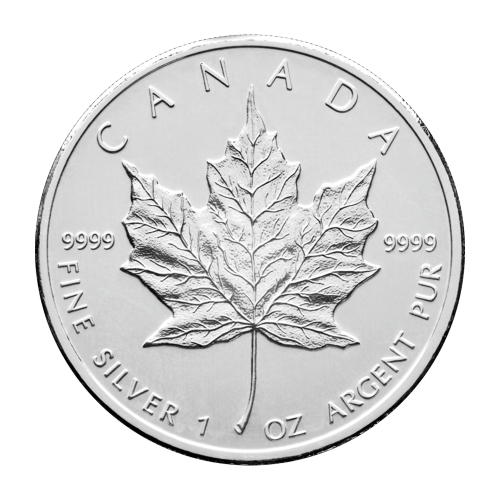
The Silver Maple Leaf is a popular entry point into precious metals investing — a full troy ounce of .9999 fine silver in a well-known, easily tradable coin. Because it costs far less per unit than gold, it’s a practical way to start small and build a position in physical silver over time.
Independent Contractor Agreement
Picking up freelance or contract work is one of the most direct ways to boost your income and grow your emergency fund faster. An Independent Contractor Agreement spells out the scope of work, payment terms, and deadlines so you get paid on time and in full.
Reader Favorites




More Reader Favorites





Our Other Sites
Take a look at some of our other projects.
AllUNeed.no
Fast, reliable delivery in Sandvika, Bærum, and parts of Asker — food, groceries, and more brought straight to your door.
FitnessTips.no
Workouts, nutrition, and motivation tips to help you build a routine that actually sticks.
SolarPanelBooster.com
Practical, honest information about getting more out of solar energy.
Annonse · Anbefalte Partnere
Pen Store: Creative Tools, Delivered to Norway
Pens, paper, and art supplies from a trusted European retailer — ships to Norway with NOK at checkout.
Annonse · Anbefalte Partnere
CapCut: Edit Like a Pro, No Experience Needed
Easy, professional video editing with AI-powered tools — free to start, with a Pro tier for advanced features.
Annonse · Anbefalte Partnere
Reader Favorites: New Picks Worth Checking Out
Two new partners we’re excited about: Pen Store for creative tools and art supplies (ships to Norway), and CapCut for easy, professional video editing.
Disclosure: This page contains affiliate links. If you make a purchase through one of them, we may earn a commission at no extra cost to you.